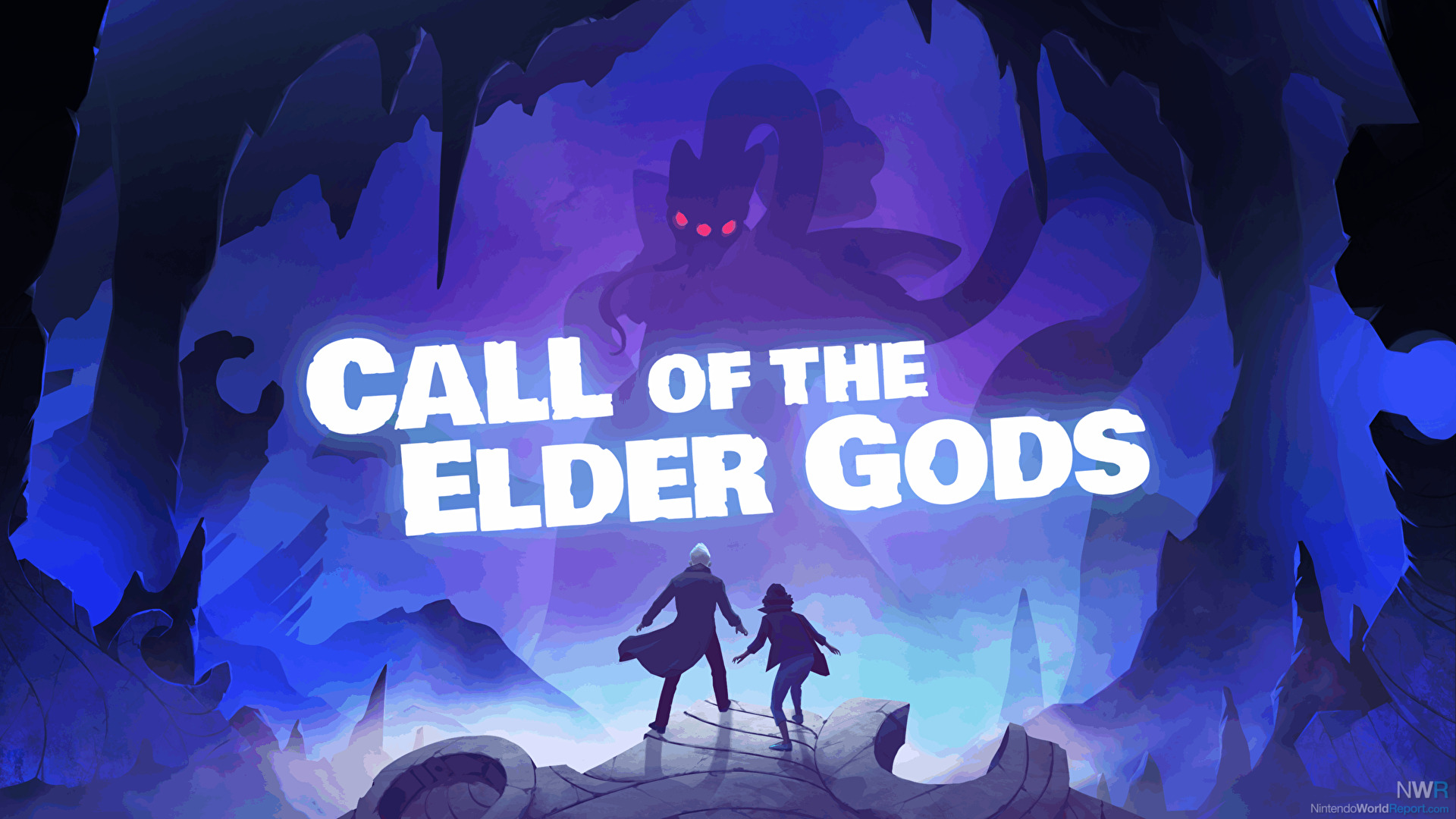
…more like, Talk of the Elder Gods!
Lovecraftian games are tricky things to get right and please the masses. You go too dark and gloomy, and you risk feeling like every other cosmic horror game with a tentacle hiding around the corner. You go too light, and the dread disappears before it ever really gets going. Call of the Elder Gods sits somewhere in the middle of that, and while it has a lot of smart ideas, it never quite casts the ‘spell’ it’s aiming for.
Call of the Elder Gods is a first-person puzzle adventure from Out of the Blue Games, acting as a follow-up to Call of the Sea. The story follows Professor Harry Everhart and Evangeline Drayton as they investigate strange visions, ancient artefacts, and the kind of supernatural activity where the average person would turn around and go home. Naturally, they do not.
At its peak, Call of the Elder Gods is a fairly satisfying adventure-puzzle game. You explore some pretty environments, search for documents and clues, piece together relevant information, and use that knowledge to solve the puzzles you’re faced with. The best of these puzzles are genuinely clever, and the reward when you solve them is oh so satisfying! The tougher ones make you pay attention, make connections, and think through the information you have gathered rather than simply matching obvious symbols together. When Call of the Elder Gods gets this right, it feels really good. There are moments where you sit back after solving something and feel like you have actually earned the solution.
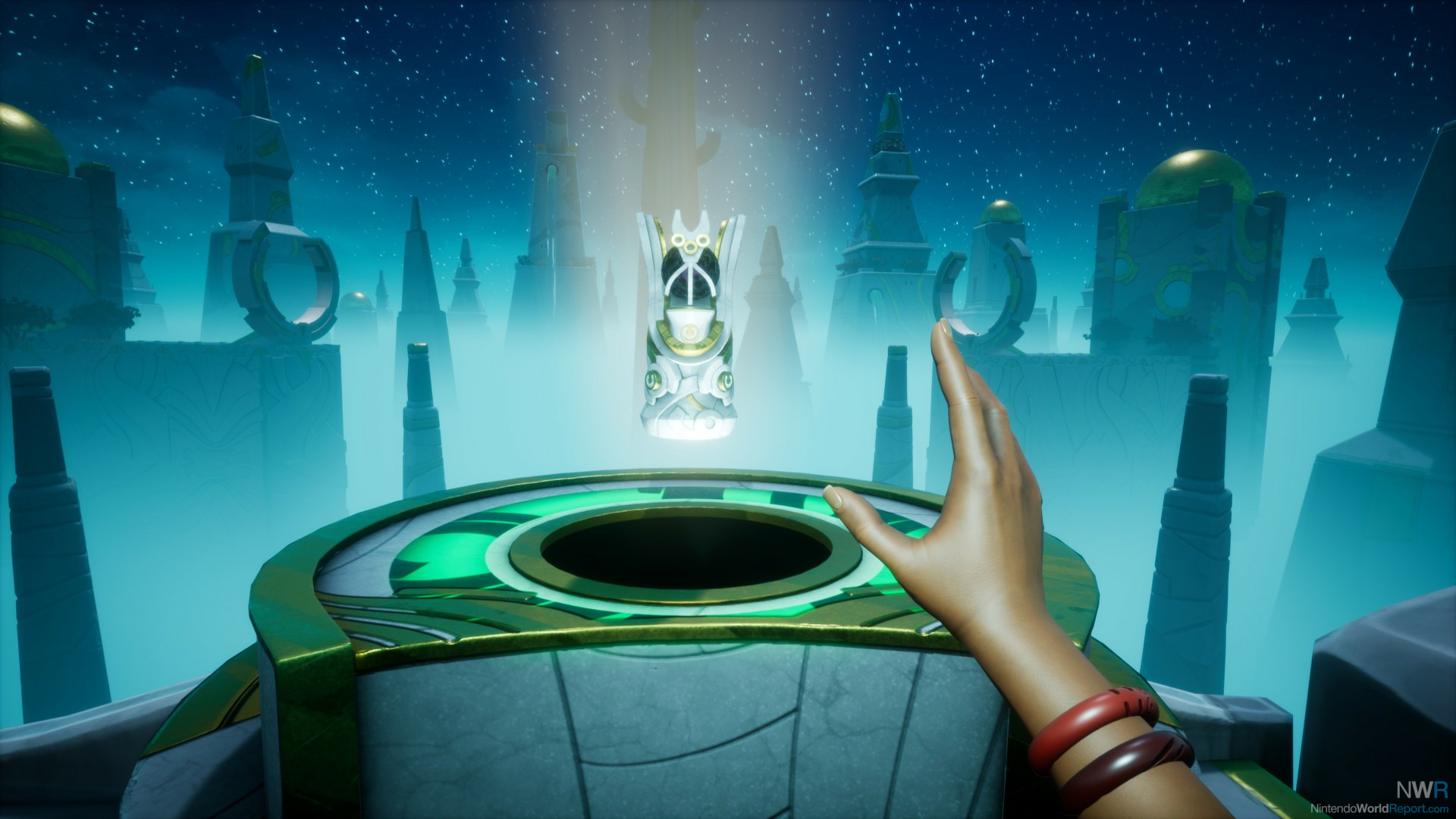
The issue is that the core loop becomes very visible and very repetitive quickly. Enter an area, inspect everything, collect notes, solve a puzzle, move on, repeat. That’s obviously true of many games in this genre, but here the structure becomes really hard to ignore. The environments are pretty, with a simple, dreamlike quality that looks much better than the box art might suggest, but they can also feel a little sterile. Rather than feeling like real places with secrets buried inside them, or having that feeling like there is a world beyond the sandbox you’re dropped into, the areas come across more like puzzle rooms dressed up as locations.
Puzzle adventures are allowed to be puzzle boxes. The problem is that Call of the Elder Gods desperately wants to be mysterious and atmospheric, but it doesn’t give that mystery enough room to just breathe. The protagonists comment on and narrate literally everything. Documents you find are interrupted before you have a chance to read them. The narrator, while not badly written, can feel like a very direct tool for dumping exposition rather than an elegant part of the storytelling. For a Lovecraftian-themed adventure, that feels like a problem. Cosmic horror, and even cosmic horror-lite, works best when the player is left to sit with the unknown and build some suspense, tension, or discovery. Here, the game is often too eager to explain itself, underline things, and make sure you definitely understood what just happened. I don’t mind a game helping the player along, but there were times when I wanted Call of the Elder Gods to trust me a bit more.
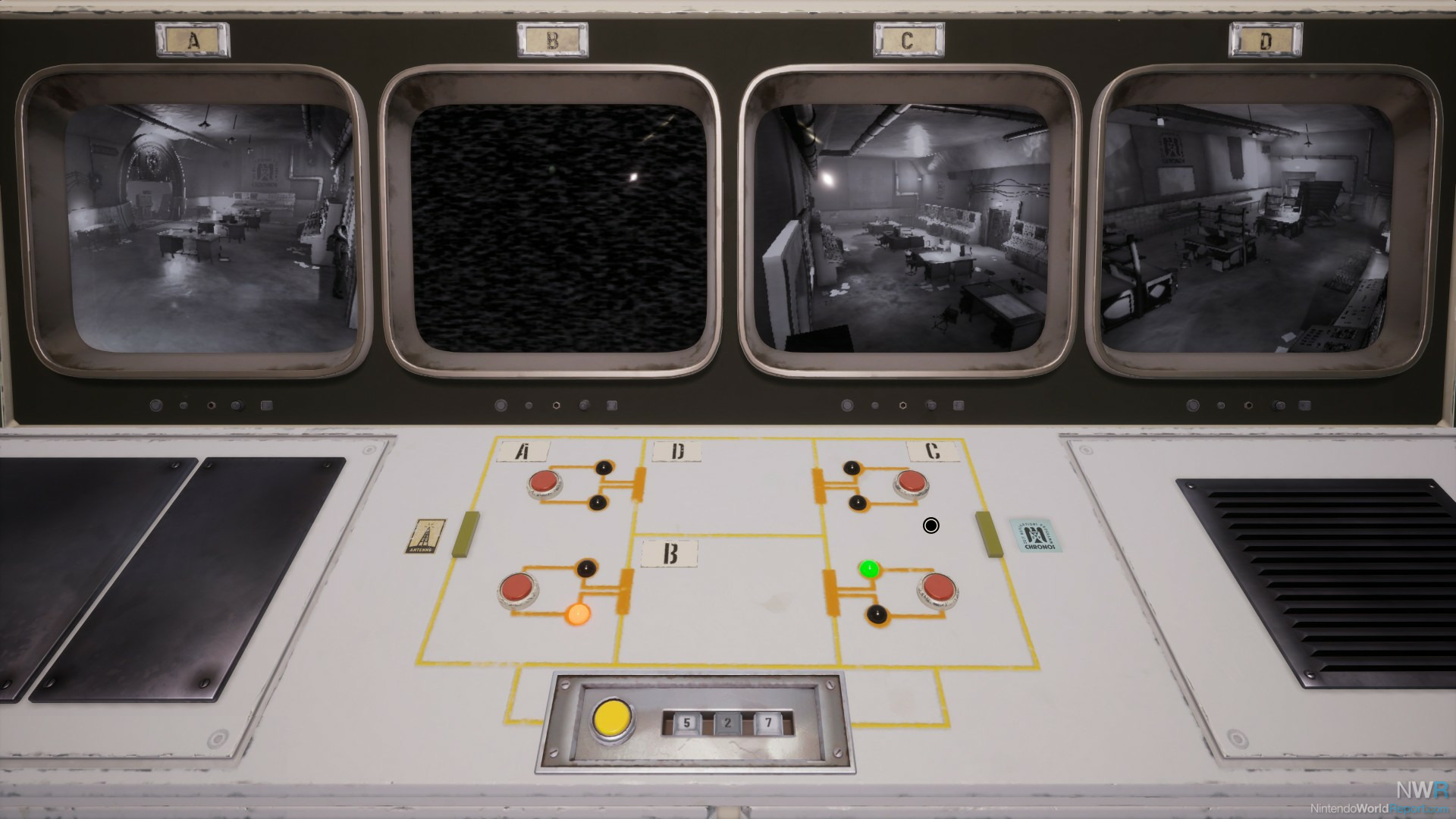
The pacing of the game adds to my frustrations. There are sections where you are forced to stand around listening to dialogue, and some of these stretches go on long enough to really test your patience. Movement also feels mad slow from the start. Even when running, there’s a huge lack of urgency that can make exploration feel more labored than atmospheric. None of this is broken or badly designed per se, but it just causes unnecessary friction. It’s like the game keeps nudging against your patience in small ways, and over time those small nudges add up.
The puzzle difficulty, while sometimes rewarding, is pretty uneven. Some early sections lean on fairly familiar ideas like memory tests, observation puzzles, pattern matching etc., which are fine enough but not especially exciting. Then the game suddenly jumps into much denser puzzles, with one in particular built around identifying members of an Egyptian cult. You completed this by pulling together and hunting for a variety of clues like hidden notes, numbers that had contextual meaning, objects that required manipulation, and so on. That kind of puzzle is where Call of the Elder Gods works best, but the jump between simple and dense can make the overall curve feel bumpy. Again, this is not a case of bad puzzles at all; it’s more that the challenge doesn’t feel carefully paced.
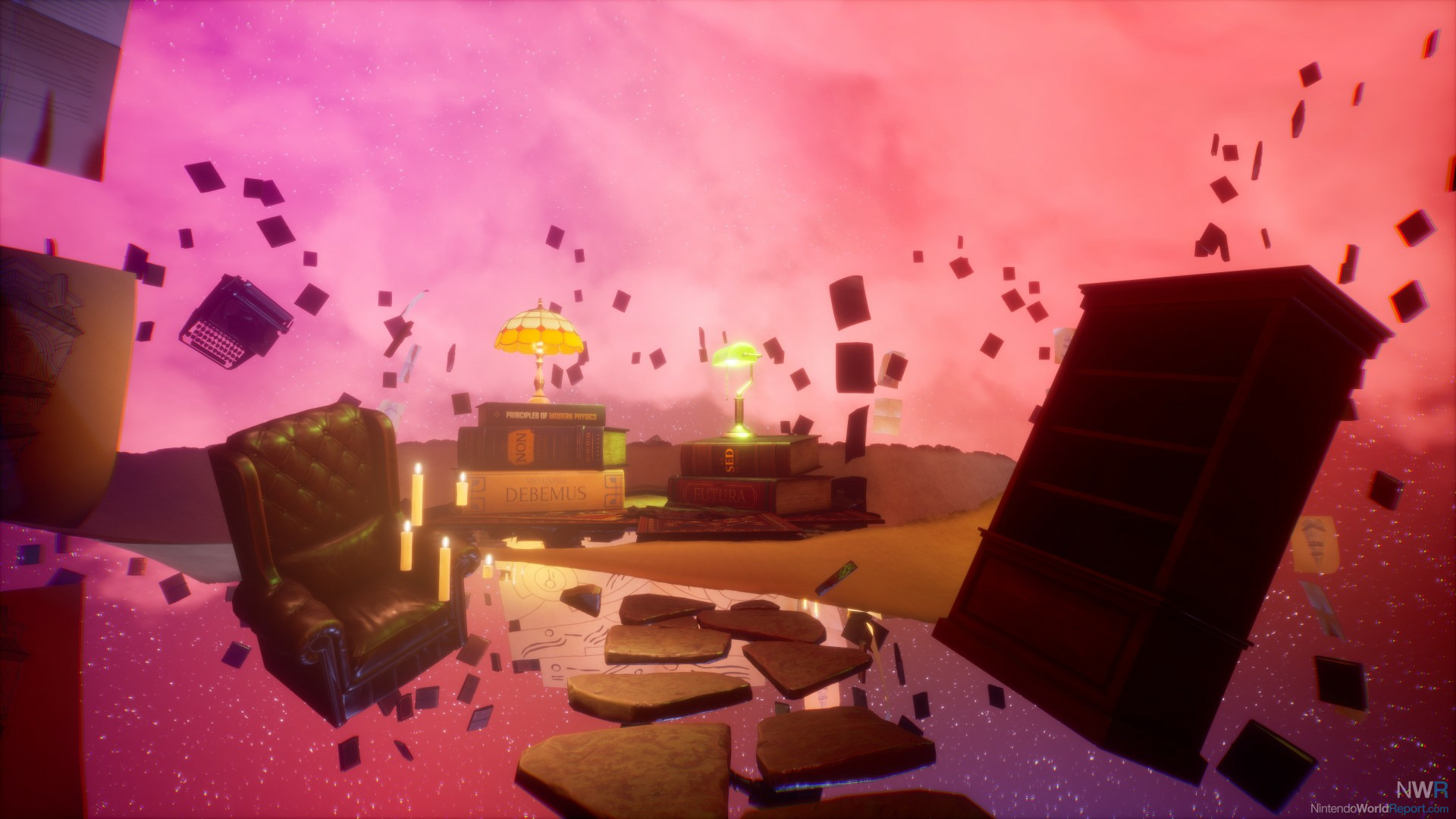
Going back to the Lovecraftian theme, this may also be divisive among players. If you’re coming in for dread, madness, and full cosmic, Lovecraftian horror, Call of the Elder Gods may feel too breezy or light. That lighter touch will work for some players, and there is charm in it, but it’s worth knowing what kind of Lovecraftian story this is before jumping in.
Call of the Elder Gods is smart, pretty, and, on occasion, satisfying, but it is also way too talky and too structurally obvious to become an absorbing experience. There are good puzzles here, and some will absolutely enjoy picking through its clues and strange story and lore. However, it lacks the confidence, elegance, and restraint needed to feel like an essential adventure-puzzle game.