



A tightly woven tale of terror
You can pretty much always entice me with a gripping detective story. Whether they are murder mysteries or overarching conspiracies, when I’m given all the tools to pull at threads and find out the culprit, I tend to have a great time. The Séance of Blake Manor had been on my wishlist for quite some time after reading some rave reviews about the game last year. Now finally arriving on Switch 2 and perfectly timed for Halloween, I set off to the western Irish countryside to immerse myself in a world of magic, gods, spirits and ghosts. While The Séance of Blake Manor falls flat a bit too often with its execution, its story, setting and characters are some of the finest this genre has to offer.
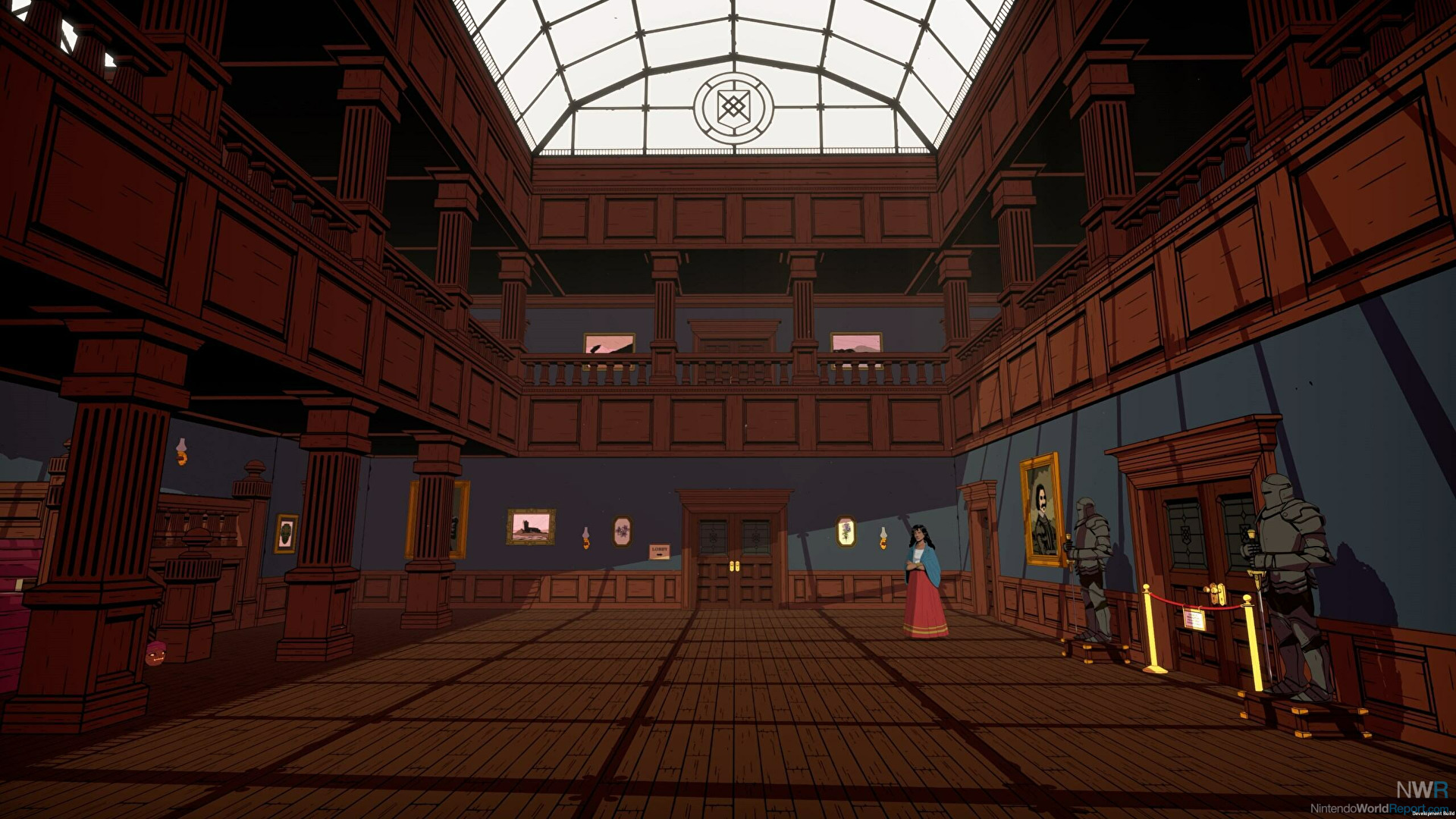
As detective Declan Ward, you receive a mysterious invitation to Blake Manor. A large mansion on the west coast of Ireland, where a mystical Séance is taking place during Halloween at the end of the 19th century. However, Mr. Ward isn’t here to communicate with the deceased, at least not at first. Your primary task is to find out what has happened to Evelyn Deane, a woman who mysteriously has disappeared without a trace. There are no less than seventeen attendees for the Seance as well as the hotel’s staff, so Declan’s task isn’t easy, especially with less than 48 hours to go before the Séance takes place. As the story progresses, characters reveal their true motivations for attending, you learn about the dark history of the Blake Manor and in particular are engrossed into the mythology and history of Ireland.
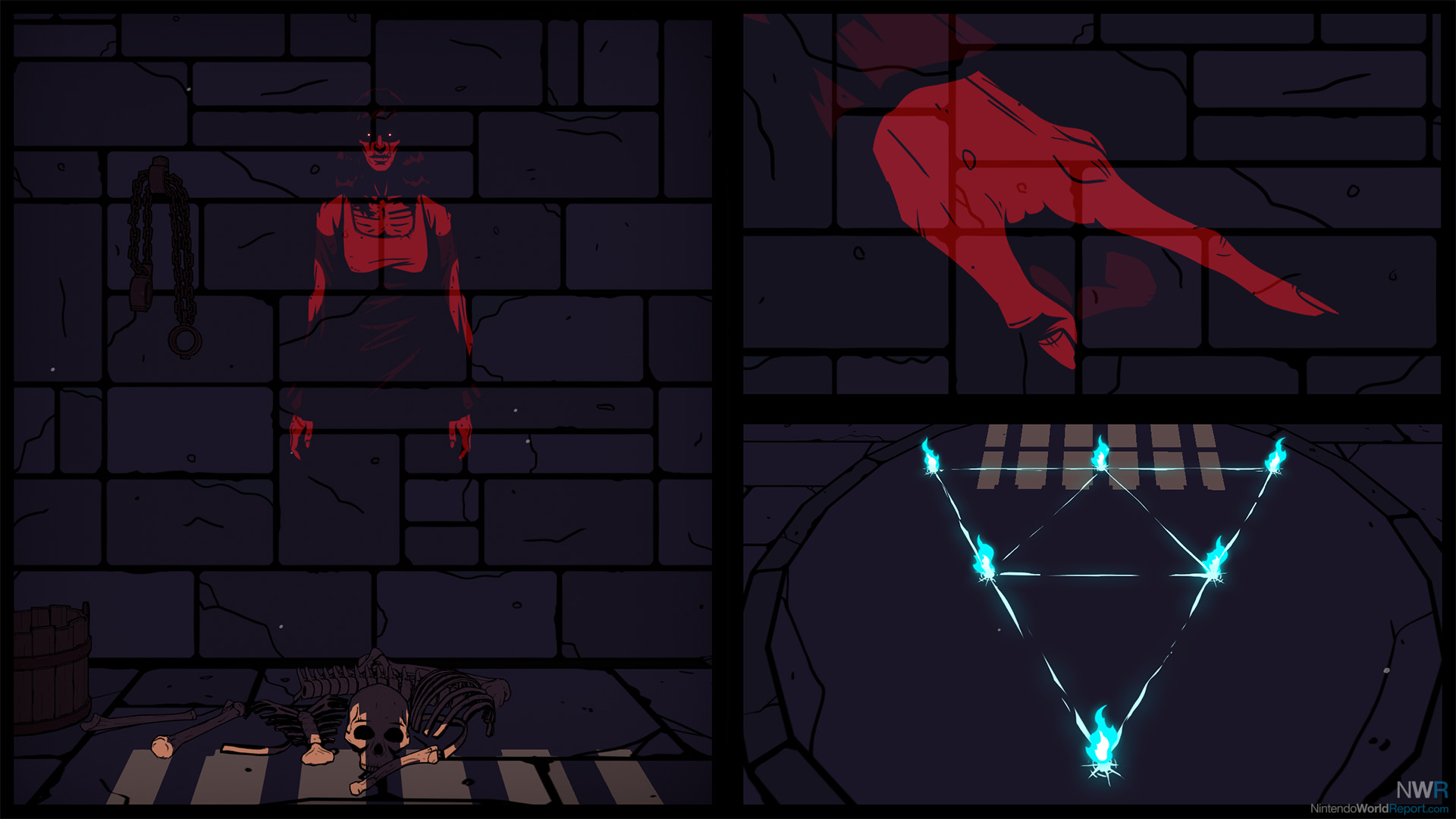
First, I want to tip my hat to the visual team at Spooky Doorway. The game has a comic-book-like style that just oozes atmosphere from the moment you enter Blake Manor. Small touches like visualized sound effects, with the crackling of the hearth or the way the lighting falls through the windows was a treat while playing. This goes doubly so for its characters. With such a large cast, it is important to make each character memorable in both presentation and writing, and the game does a wonderful job at this. You may not remember the character by name, but through their distinctive styles they each remain easy to memorize their overall stance and goal. What’s really impressive is that it comes across as almost effortless. From the first day on, you can immediately start interviewing characters and learn about their thoughts and feelings on both the Séance and the other guests. I began pulling at threads immediately, before the game presents you with its second trick: convincing characters to not attend the Séance.
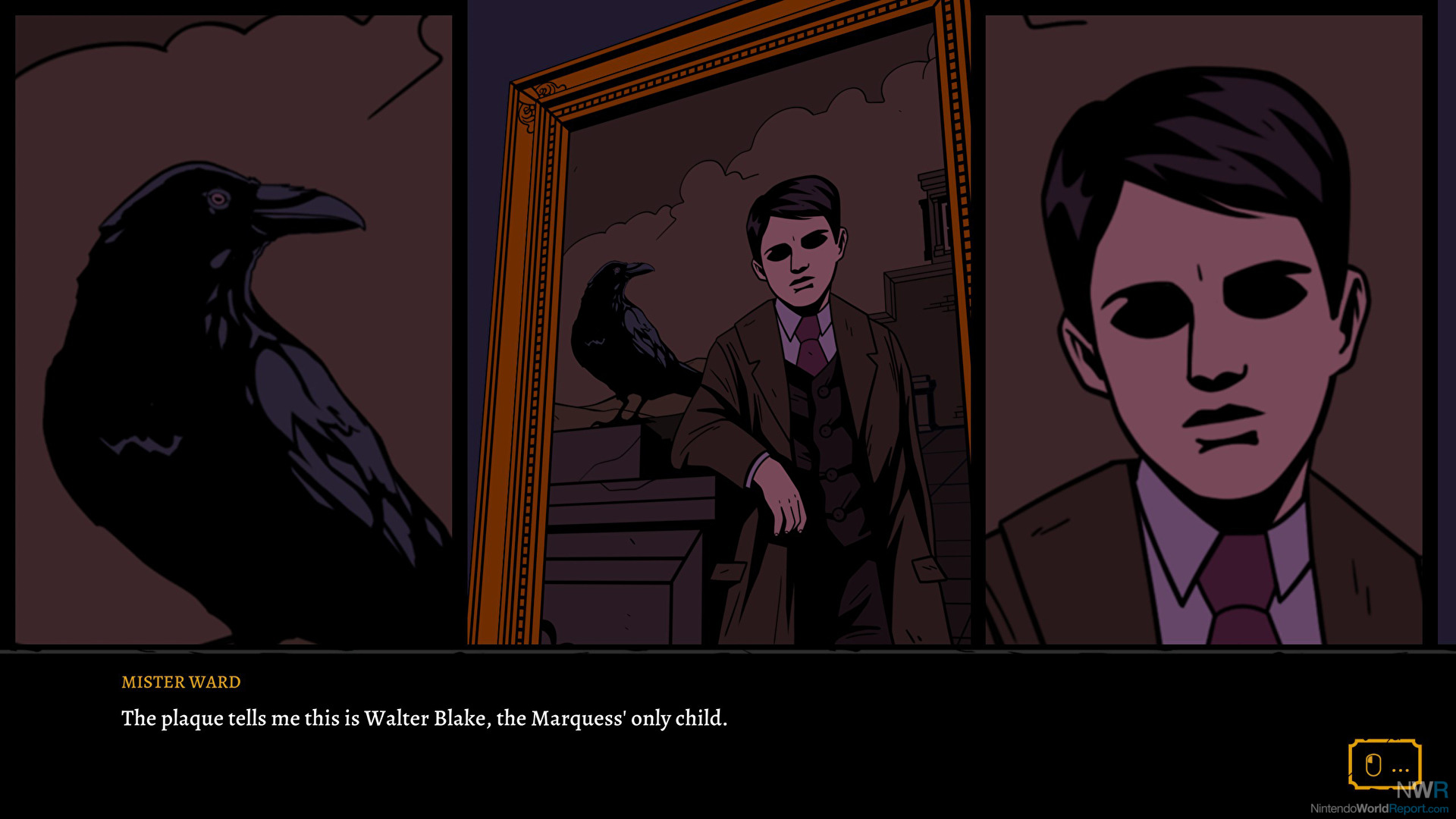
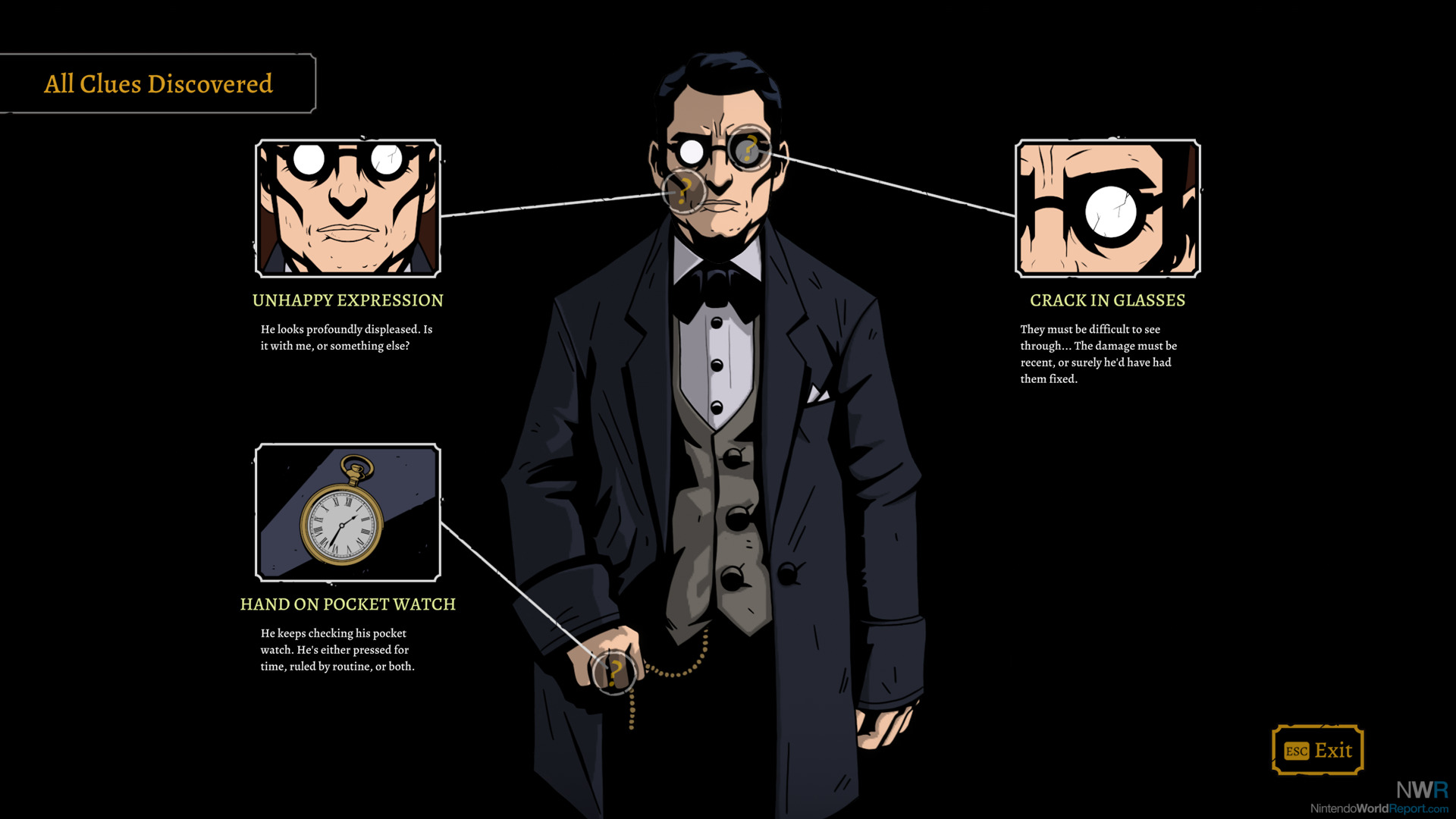
On the one hand, this element is both where the game flourishes and stumbles, though for two distinct reasons. Learning about the motivations for each character is one thing, but you will also need to explore the manor and find ways to uncover clues about what happened to Evelyn Deane. This might mean you have to break into a guest’s room, or present them with information retrieved from another location. The Séance at Blake Manor really lets you go at this in any way you’d like, and I’m of two minds about this. It definitely feels more rewarding when you’ve figured out what a character is looking for and how to assist them with their task. Like a metaphorical corkboard with red string, you put the clues together and form in-game hypotheses about their motivations. Yet, on the other hand this means that more often than not I got stuck trying to find ways to proceed. The game is vague about its clues and progression. You can review individual information and while it gives a general pointer, it is never immediately clear on what to do next. For example, with one character I knew what they needed to perform a ritual to exorcize a ghost, but finding the final object to perform the ritual itself was something I never succeeded in. And while you do not need to do every little thing to prevent the Séance from happening, all your actions do impact the final outcome of the story and what happens to the characters. I had wished that the game provided more tools to keep track of these matters, especially since time is of the essence throughout your adventure.
So far I’ve described the game as a pretty standard adventure game. The other mechanical twist is that there’s an in-game clock. Each interaction, question, review of information and conversation progresses time by one or several minutes. Every character also has an in-game schedule, which moves them through the manor. At one time, many characters are gathered at once for a lecture in the Drawing Room, or the staff may be at work in the kitchen. While this dynamic keeps the game feeling lively, the schedule system itself is quite imprecise. Because characters always share part of their prepared schedule, there are often gaps where you need to run around the manor to find them. This is particularly annoying when you unlock a clue from one guest and have to discuss it with another guest, whose current movements you aren’t able to record. I ran around Blake Manor so much trying to find other characters, only to realize that when I found them, I needed to talk with someone else. It feels like busywork, which is not helped by the fact that moving around the Manor can take a lot of time.
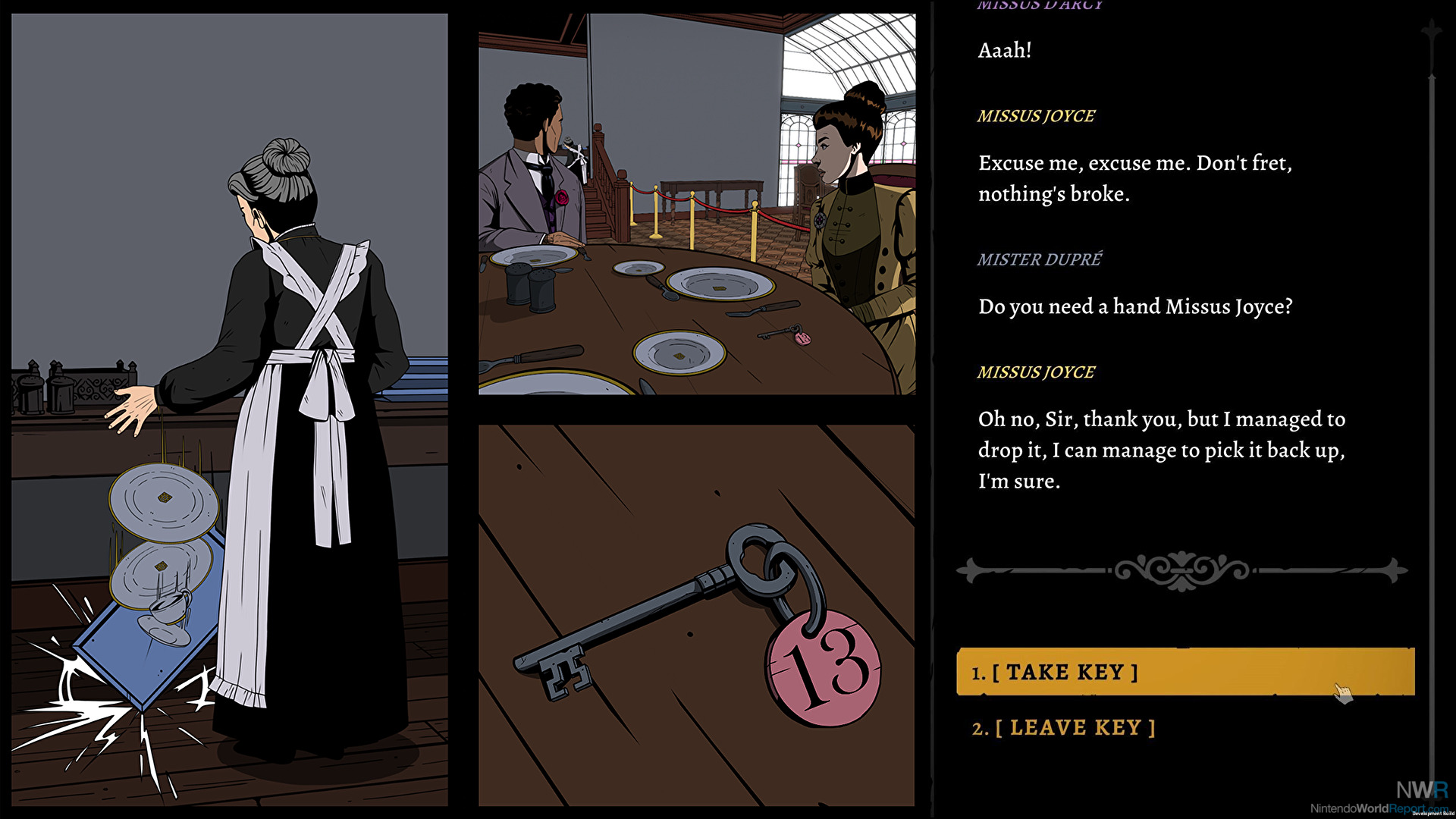
I’m not one to usually complain about loading times; a game’s gotta do what a game’s gotta do. But with The Séance of Blake Manor its loading times for doors and moving between different areas took me out of the experience completely. Paired with that aforementioned issue of not always being sure where to go next, the game takes so much unnecessary time for travel and finding characters that the loading times feel like an insult to injury.
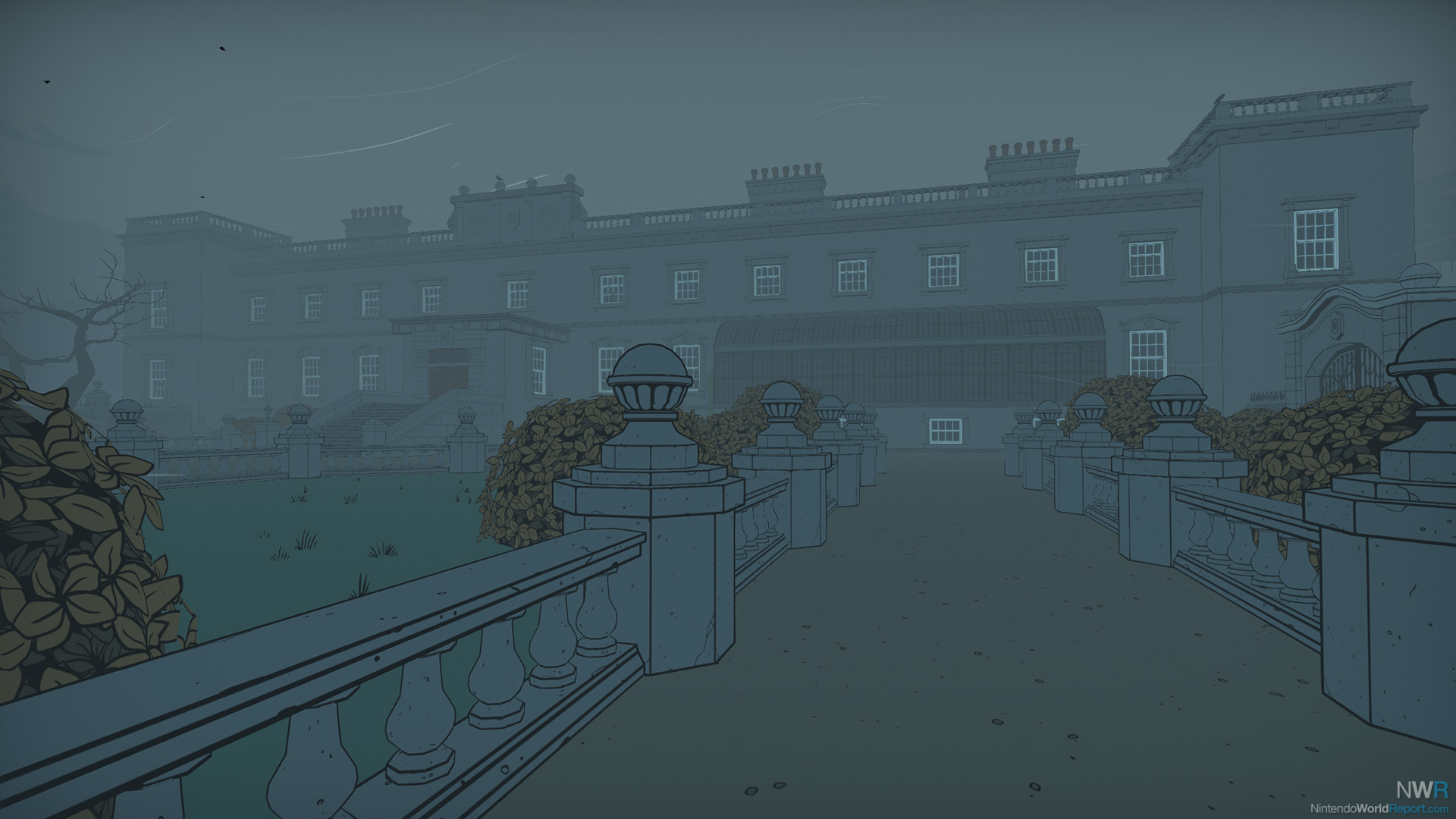
And that sucks in particular because in terms of atmosphere and storytelling, Spooky Doorway is firing on all cylinders here. For someone who is unfamiliar with Celtic and Irish mythology, this game was a delight to learn more about the history and culture of Ireland. Reading up on its stories in the library paired its fictional history so well with actual history. The game concedes from the word go that magic in this world is real but goes through a lot of effort to show different types of magic, spiritualism, mysticism and religions that are all fascinating in their own way. Even more impressive is that the magic is never used as an easy answer, but comes with costs and consequences for their users. It is reflected through that amazing cast that, while not each line is spoken, really shines through with stellar performances.
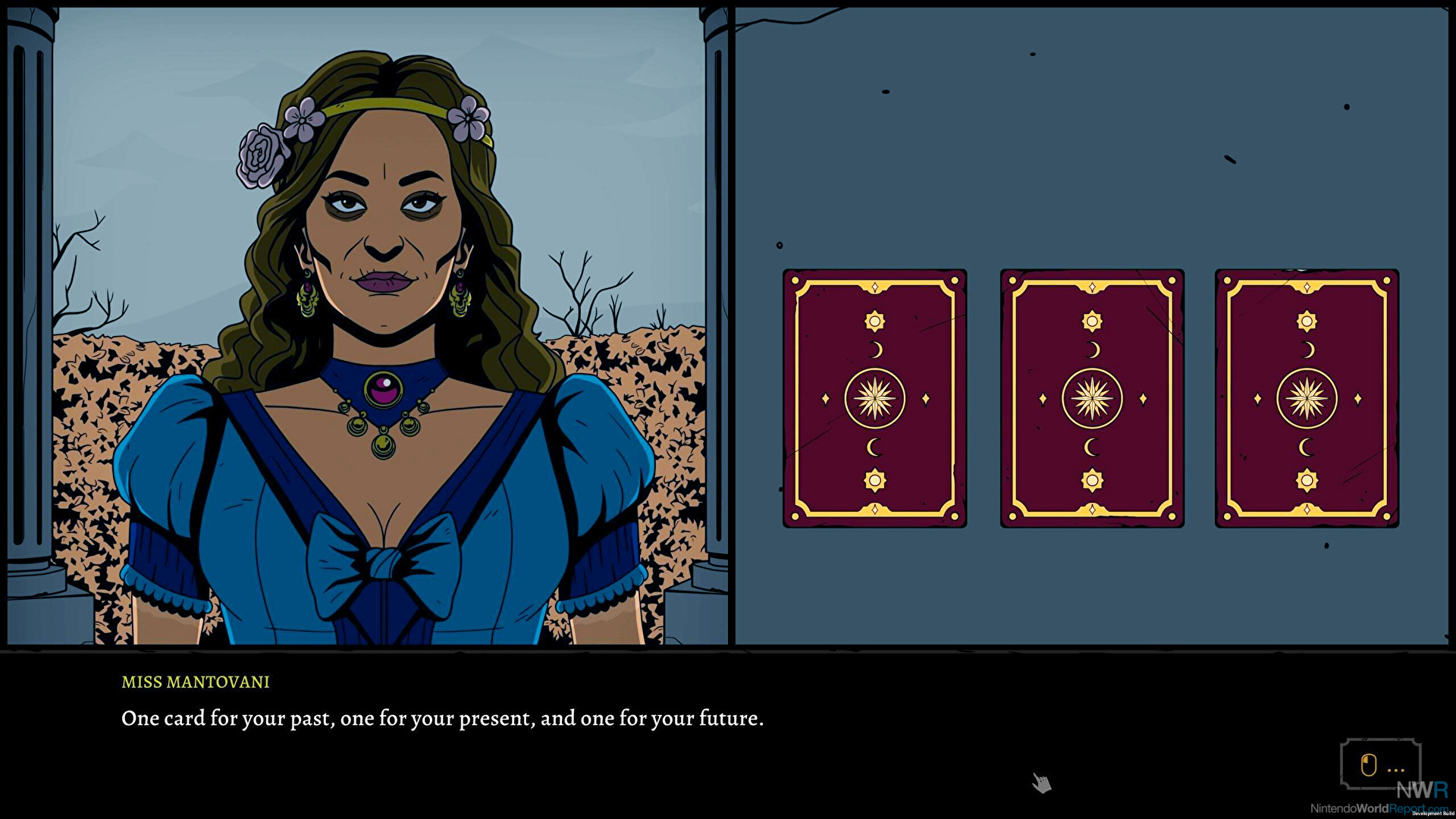
If the game wasn’t hampered by its technical and structural shortcomings it would’ve been an instant modern classic for me. The story, settings and characters are fantastic. The pulling at threads feels like a great mixture of The Return of the Obra Dinn, The Case of the Golden idol and Ace Attorney. And its embrace of Irish culture and Celtic mythology give The Séance of Blake Manor a distinct visual style and identity. And yet, its structure buckles underneath its large cast and ambitious location. The final hours of play, where I had figured out the main plotline but was still running back and forth to assist other characters with their own stories, became a slog to get through. This impacted in turn that final conclusion which I had hoped would’ve had one more twist. While the implication of saving more characters for a better ending seemed enticing, I couldn’t put myself through its paces to put it all together. That does not make The Séance of Blake Manor a bad time, however. Much like a magic ritual it requires you to be diligent and patient. For me I am very excited to see what Spooky Doorway brings us next. I can only hope it will involve more Irish history and folklore.


