Post by: whilhorst on September 03, 2026, 11:10:52 AM
Atari Brought Something Old, Something New and Godzilla, So I Give My Blessing.
As the oldest name in gaming that is still around, Atari has reinvented itself over the last decade or so. Not just investing in a ton of legacy IP, but giving smaller studios the chance to work with classic brands while leaving room for a lot of original interpretations. This year Atari brought out some real surprises that I was very excited to try for the very first time. Across the board the commitment from Atari to physical releases on all platforms is something that has to be celebrated outright. Whether you’re old or new, with the lineup that Atari has cooking I think you’re going to be hard pressed to not find something you’ll want to play this year and beyond.
Toy Story: Retro Round-up - Developed by Digital Eclipse. Releasing on October 15th for Nintendo Switch and Nintendo Switch 2..
Can be bought separately or with Toy Story 3: Complete Edition. Physical editions will be available and include all games on the cartridge.
I am not ashamed to admit it. If you wake me up in the middle of the night and ask me if I’d rather play Super Mario 64 or Toy Story 2: Buzz Lightyear to the Rescue I will go with the Space Ranger. Not only is it one of the most formative games of my childhood, but over time I’ve come to realize that it was perhaps ahead of its time in certain design ideas. From the absolutely top-notch soundtrack to the many creative levels and power-ups to incentivize completion. The Toy Story: Retro Round-up collection apparently also includes other games which is fine too I guess.
Joking aside, Digital Eclipse is once again bringing the goods. Not only are you getting several versions of Toy Story games such as the original SNES and Game Boy version of Toy Story, Toy Story Racers, Buzz Lightyear of Star Command and even a Bug’s Life, but in their historical approach there are also a ton of bonus features included. I’m looking forward to all the interviews with the original teams at Traveler’s Tales and Disney/Pixar to see how these games were brought to life. Design documents, development photos and concept art in the highest resolution I could ask for. During Gamescom we were shown some of the new features like “Rex’s Cheat Codes” that can be enabled at any time to change the game’s behavior. Whether that is infinite lives in the pretty difficult Toy Story for Game Boy or getting power-ups earlier in Buzz Lightyear to the Rescue. It should make for an accessible collection even if you haven’t played all these titles. A music player is here too to fully appreciate the soundtrack of TS2:BLTTR (and others I suppose).

What surprised me was even in the inclusion of an upscaler that enhances the look and performance of all games. You can toggle this as much as you want, but I loved how it retained the look and feel of these games while suddenly running a lot smoother. While only the PlayStation 1 versions are included for the 3D-games, it did make me excited to finally give A Bug’s Life a shot that is included here too. Finally a rewind feature is available for all games in this collection, meaning that falling down the tree in Andy’s backyard in Toy Story 2 is no longer the bane of my existence. Look, can you tell I am excited for one particular game here.We unfortunately did not get to play around with Toy Story 3: Complete edition quite yet, but I was assured that all the ‘lost’ content of the game will be included here. I do have to say that playing as the evil emperor Zurg does sound quite enticing in the Toy Box mode.

If you have any nostalgia for these titles, or are simply looking for a fun collection of platformers from the late 90’s and 2000’s the Toy Story: Retro Round-up should be really everything you could ask for. As I left the appointment with my buddy Leon we looked at each other. We’ve seen all the movies together. Played through Toy Story 2 on a computer at his house after school. Now jaded, almost-30-year-olds I couldn’t help but realize that we both had a sparkle of joy in our eyes. October 15th cannot come soon enough.
Atari X Activision: The Collection
Every year I always take a moment to meet Matt from Atari who has made it his sole mission to revive the retro heart of the company. He works just on Atari 2600+. Atari7800+ and original hardware releases. So you can only imagine his excitement when he showed me the first batch lined up for the Atari X Activision collection. Something he had been working on for years. If you don’t know the history, Activision was originally founded by a group of ex-Atari developers who wanted more recognition for their work and began making their own games for the Atari 2600. They made some of the most successful games on the system, but they have been extremely hard to play in their original form. With this collection Atari is perhaps getting the last laugh, but in truth it is more of a celebration.
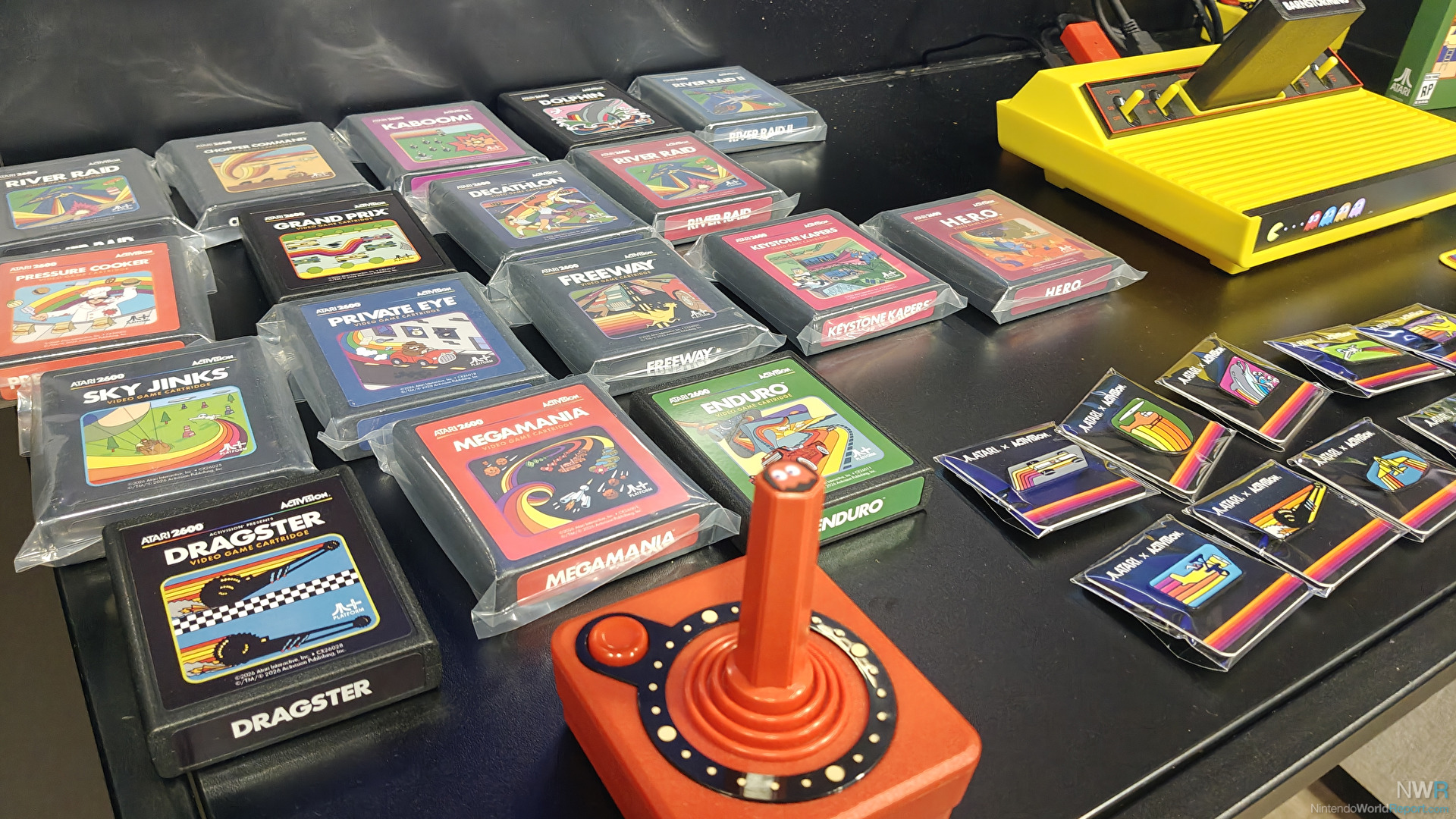
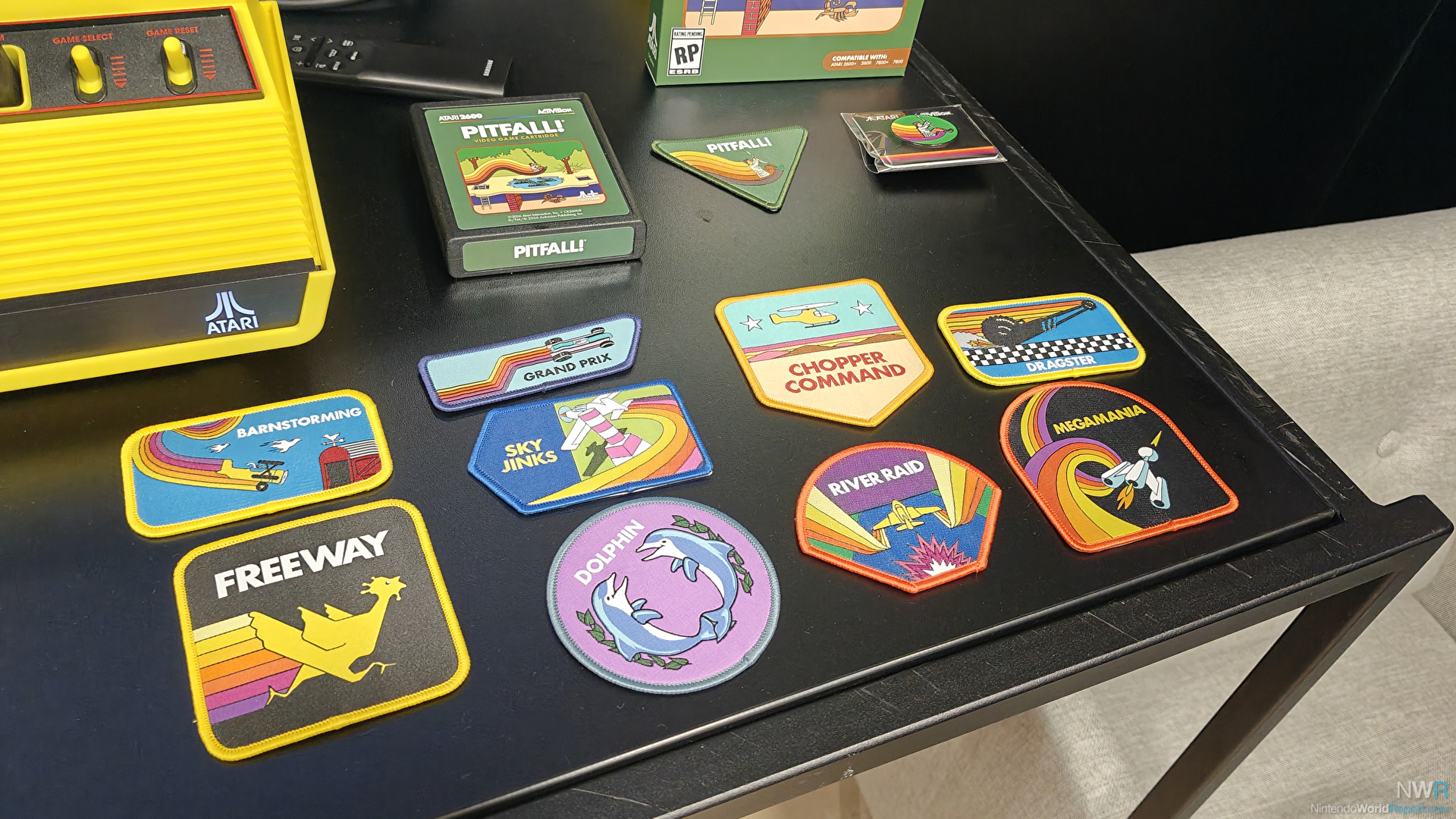
thirty-nine, yes you heard that right, thirty-nine Activision classics will come out over the coming years in both individual cartridges and deluxe bundles. Pitfall, Enduro, Megamania, Private Eye, River Raid, Kaboom! And Keystone Kapers are some of the headliners for this first collection. With others like Pitfall 2, Starmaster, Decathlon, Crackpots and Beamrider coming down the road. Each game has unified box-art that retains the original look and feel of the games. If you buy the bundle, it comes in a deluxe set that has a specially designed slipcase. One detail that I especially like is that each individual game, regardless of set, comes with an enamel pin but also a patch. For the Atari-heads that is especially significant because if you could beat the high-score from the developers included in the original manual and send a polaroid picture to Activision with your score you were sent a patch to put on a jacket. It is that attention to detail that makes me love the way that Atari is approaching these re-releases for their original and updated hardware.
This big asterisk to all this is price. We are still talking about Atari 2600 games here. Some are nearly fifty years old. Individually you buy all of these separately for about 30 USD each. Even with all the goodies included, that may still be a bridge too far for fans. While the deluxe bundles can also be spread, here the costs quickly balloon to over 200 USD. If you are an Atari-fan this is probably still something that feels like a must-have on your shelf, but for the casual audience I’m pretty sure that the value you’ll get for these games varies widely. Then again, in an era where physical media is slowly getting choked out, I love that Atari is putting in the time, attention and resources to keep these games around for their original hardware. But even for a cynic like me, who has no real nostalgia for the 2600-era of games, I must admit that these are some of the nicest physical releases I’ve seen in quite some time.
Godzilla: Destroy All Monsters Melee Remastered.
Developed by Pipeworks Software. Releasing on November 3rd for Nintendo Switch 2.
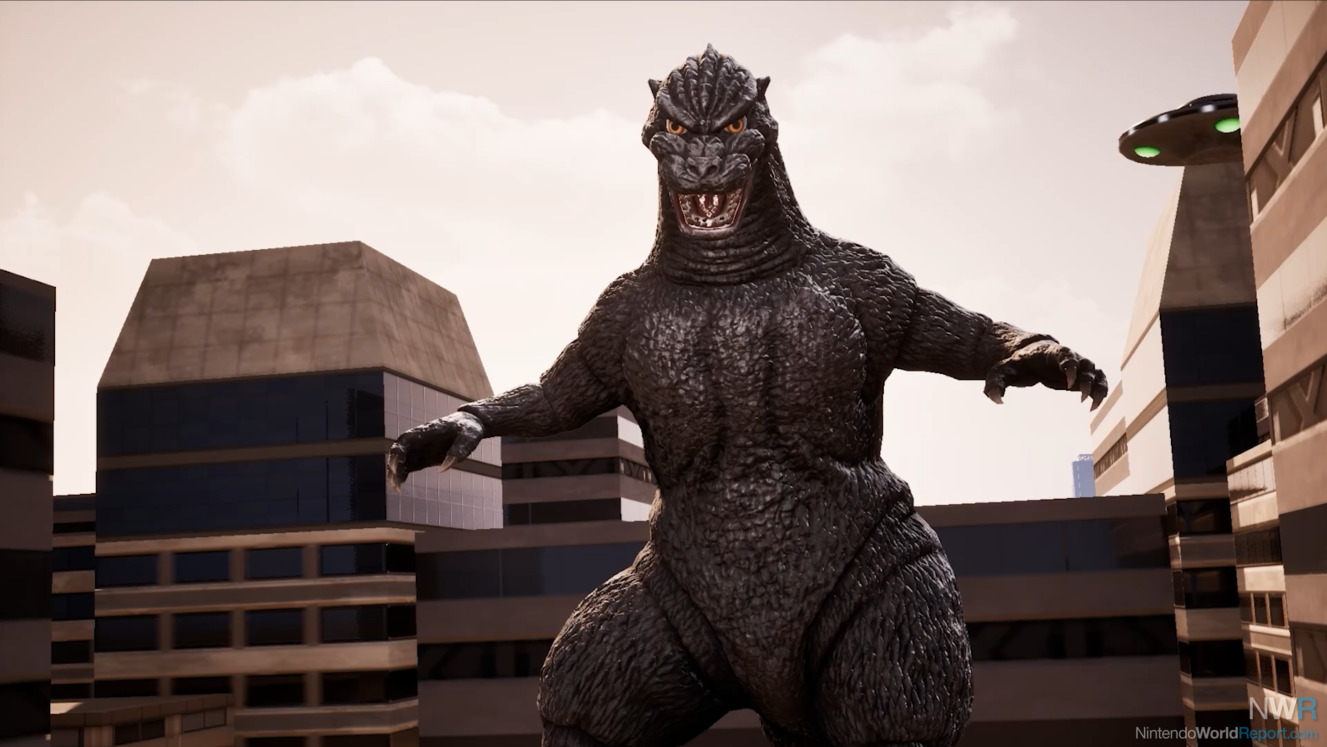
As much as I adore the big lizard, I’ll have to admit that I’ve never really played a Godzilla game. Which to me, as a massive classic Godzilla fan feels like I’ve been missing out. But after going toe-to-toe with Leon in Godzilla: Destroy All Monsters Melee - Remastered I’m pretty sure I’ve taken a crash course of the peak in 2005. This melee brawler feels like a great entry point for 3D arena fighters while a ton of movesets and treats for fans of the King of all monsters.
During our demo we were dropped straight into the action. In a one-on-one fight you can choose from a wide selection of Godzilla icons. Of course the King himself in several iterations is here, but King Ghidora, Anguirus and Gigan were all playable. Each monster comes with its own unique moveset and abilities that we quickly got the hang of. Grabbing not just the opponent, but buildings and environmental pieces can be picked up and thrown across the map as well. Charging your atomic breath or ranged attack takes time, but can really knock monsters around as well. What really struck me is that the game is a lot slower and more tactical than most fighting games I’ve played. That’s not a detriment, it makes the monsters feel weighty and true to their depiction in the film. I half expected the monsters to take off a mask and show the human performer inside the suit.
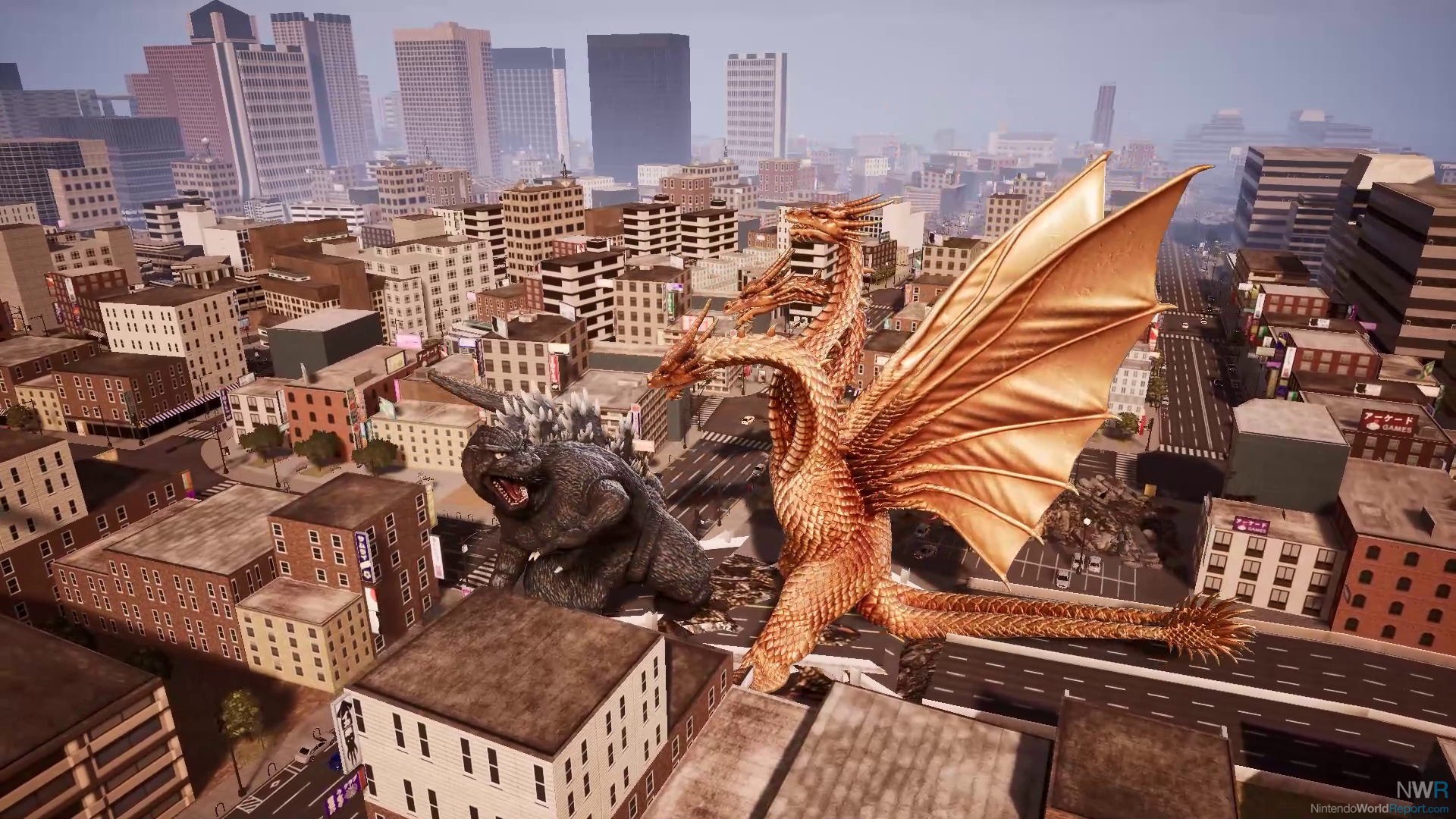
Thankfully the game leans into the weirdness of the Godzilla series. Power-ups can be picked up to unleash a supporting attack, such as Mothra when playing as Godzilla. I never felt like the fights never became too one-sided. Until the very last bit of the health bar was removed I still thought I had a chance against Leon, though ultimately his timely dodges did beat my strategy of getting up in his face. Pipeworks Software has apparently stayed as true as possible to the original design, but quite literally wrapping the code of the original into Unreal Engine 5. Making the game visually look better, but retaining that feel of the GameCube title.
In terms of modes we only got to play around with the one-on-one versus mode. Though I was told that all the original modes will make a return in this version and the game will support online gameplay as well. At the end of every match points are received that can be used to unlock new characters, stages and gallery art pieces. While there are slight tweaks and additions to the overall experience, such as a new local co-op mode and weather effects to choose from on the stages, you can pretty much expect a true to form remaster here.
And I think that emphasizes the back-to-basics approach that Pipeworks is taking here. It was so much fun to grunt and shout at each other while trying to make punches and kicks connect. We got really excited breaking through a wall of boulders and we began tossing each other into a fiery lake of magma. Game like these were great on the GameCube because of the excitement playing against your friends on the couch. Godzilla: Destroy All Monsters Melee Remastered is totally a throwback of this era of games. Without battle passes, live-services and paying for additional characters it is refreshing almost 25 years later.
RollerCoaster Tycoon: Wonderworks.
Developed by Springloaded. Release 2027 (Early Access).
I think I quite literally jumped up in excitement when I saw that Atari was finally bringing out a brand-new RollerCoaster Tycoon game. It is hard to overstate how big RCT was for PC gamers in Europe and around me growing up. RCT and RCT2 are bonafide classics and the later entries have proven that it is incredibly difficult to follow in their footsteps. So with RollerCoaster Tycoon: Wonderworks I was very pleased to hear and see the care and attention Springloaded is putting into this task. Their previous work on Let’s Build A Zoo has certainly prepared them for sim-like design, but are they up to the task to improve on greatness? After an hour of hands-on with Wonderworks I’m ready to believe that a new era of RCT is truly upon us.
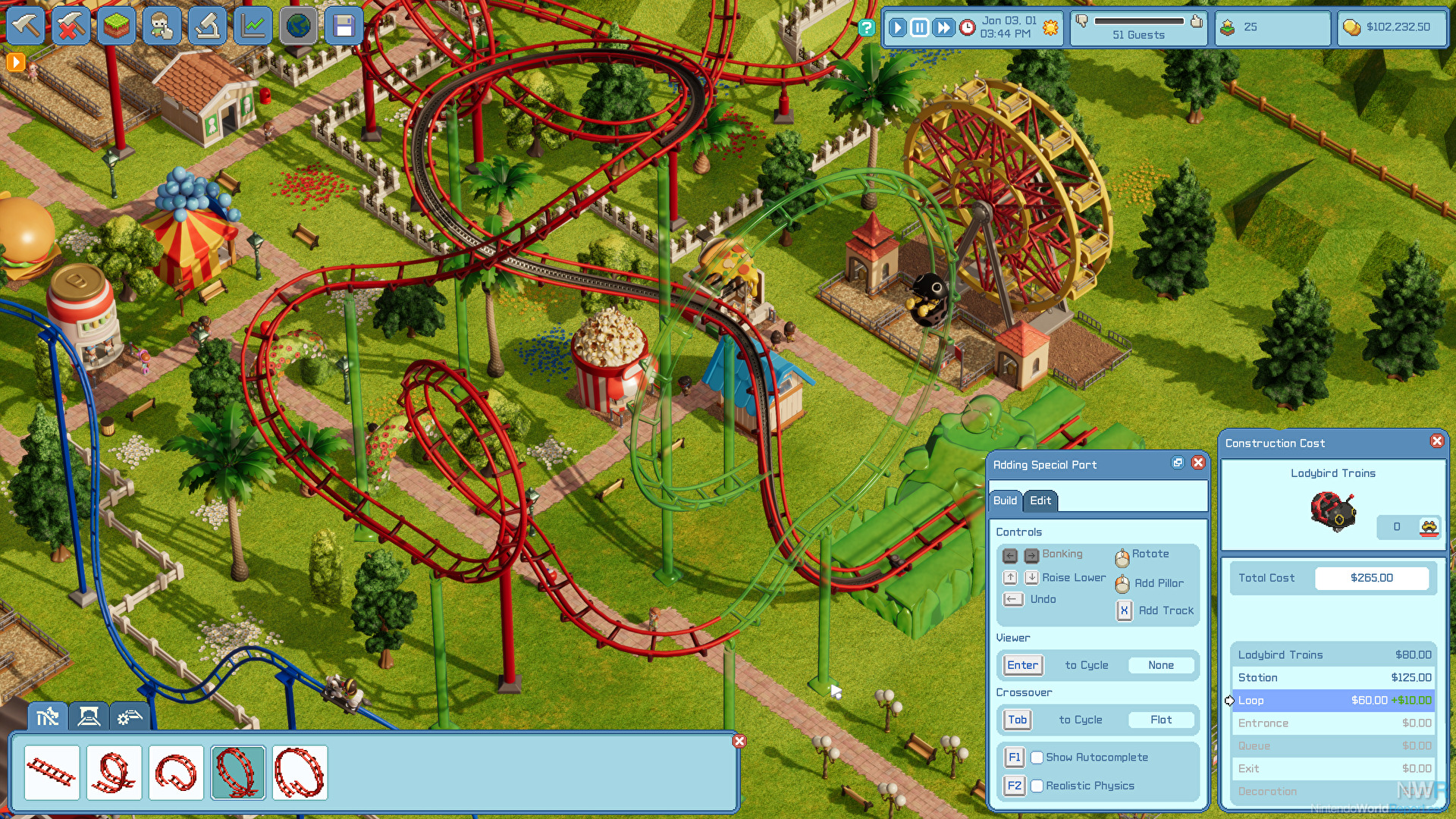
So let’s begin with the big overall approach that the designers are taking with Wonderworks. This time around you are truly working on building an empire of theme parks around the world. You start out with a limited and small park with truly dingy rides and attractions. Barrels slapped on a wheel, a barn repurposed as a slide or simple wooden shacks functioning as entrances and exits. It doesn’t just emphasize that you are starting from scratch, but also gives each park a distinctive layout and challenge. But of course as your park grows you can build new coasters and attractions to attract customers.
The keyword in Wonderworks is truly ‘customization’. There was always a certain amount of control you had over individual rides and stands, but here almost everything can be tweaked. Want your coaster to have different speeds for ramps and loops? You can adjust each booster or break individually. Want your chair swing to accelerate at an intense speed? You can change it on the fly. When constructing your coaster you can enable realistic physics and get a little dummy-cart going while you are laying down the track to see if they will remain in their seats. The builder itself feels more intuitive than the original RCT if you ask me. In part because those original games were limited by their programming and we as players got so used to that particular UI that we never questioned it. But here the coaster builder automatically follows your cursor. Meaning that building corners or curves is automatically done by ‘drawing’ your track. It is something that will take some getting used to, but after ten minutes I was already using elevation, speed sections and breaks to create a pretty cool looping track. Coasters and rides can be upgraded individually, but if for some reason they end up fully destroyed, you will lose all progress for that ride. It’s a nice way to keep evolving your park long after you’ve completed the missions.
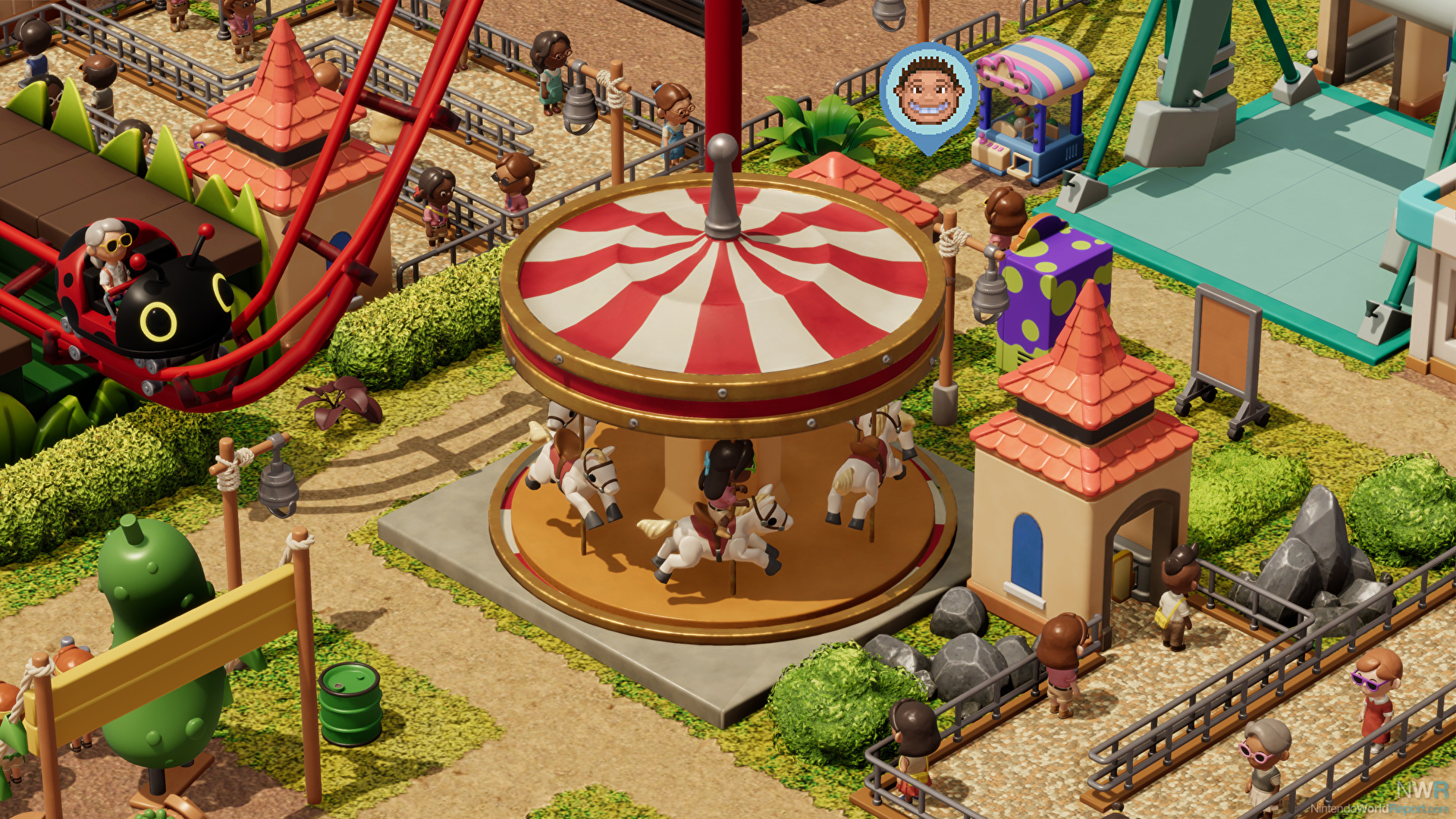
On the management side a few things work differently now too. New rides can be researched and developed with a dedicated laboratory that has to be placed inside the park. While you still get regular new rides, occasionally you may need to choose between two different ones, meaning that no park will ever really be the same. There’s also new employee categories. Concession stands are operated by park employees who will need regular breaks and energy drinks to improve their morale and serving speed. So much for locking park guests in with a soda fountain to lose, I mean spend, all their hard earned cash on. And of course, the antlike nature of park guests is still something you have full control over. Not just reading their thoughts, but of course dragging them over to their ‘last ride’. However, this time around you may actually end up getting sued by relatives over the deaths of park guests. I had a big laugh when I saw that I could hire an expert legal team that would lower the settlement fee out of court. Something we truly couldn’t imagine in the real world. Right?
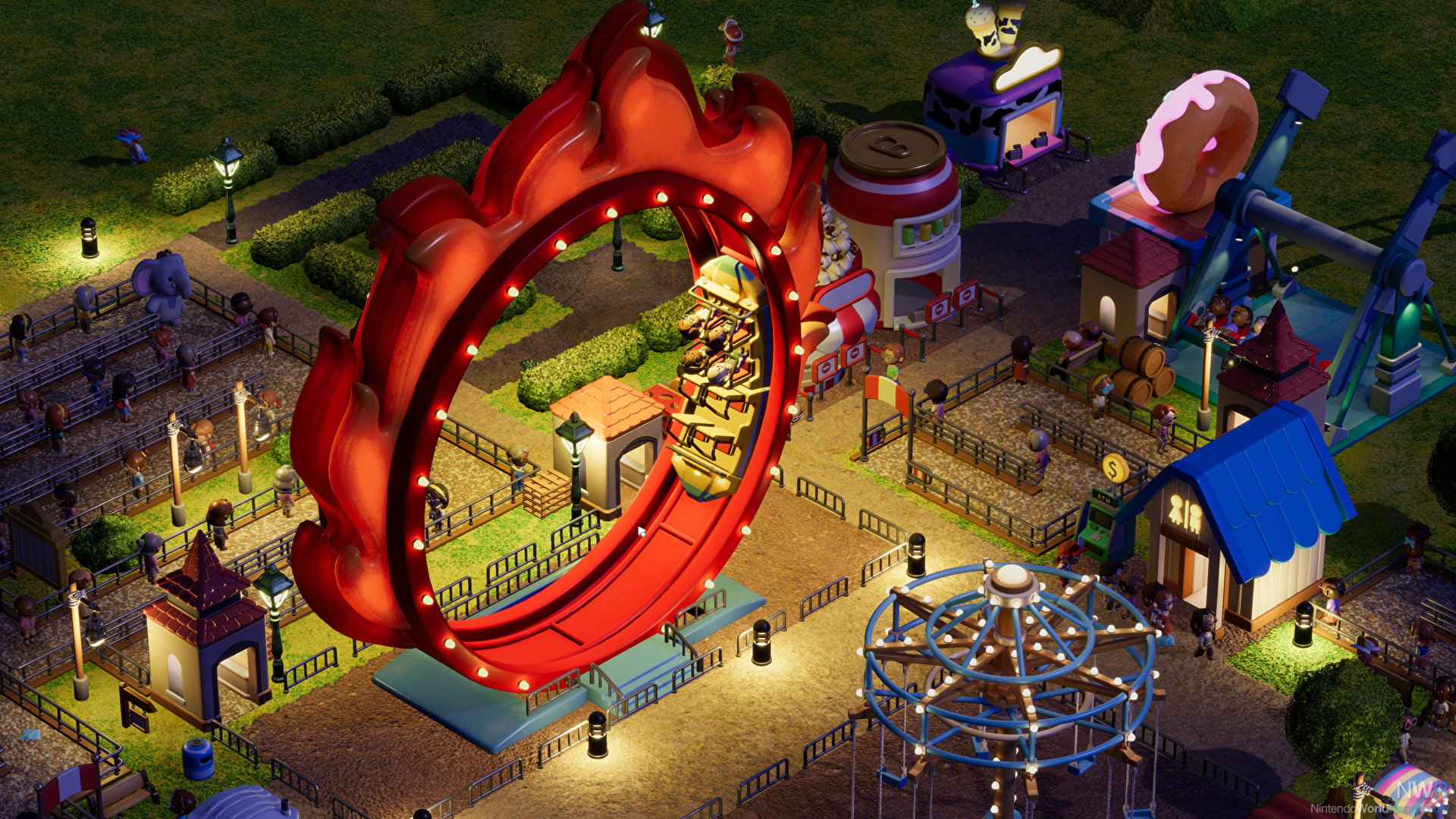
The real challenge that Springloaded and Atari are faced with is a generation of players that have loved and devoured everything RCT. It’s no wonder that after the reveal trailer they received a lot of feedback from dedicated players. Therefore the game will launch first in Early Access sometime in 2027 to make sure that they can optimize and adjust the features available. While I’m not usually a big fan of Early Access, in this case it feels warranted. For example, I tried to place park benches across pathways but it removed the path instead. Placing a bench next to a path is so unintuitive to a veteran RCT player that I’m now fully on board with getting in more feedback for the team down the road. When asked about licensed rides from parks like Six Flags as the original had, the developers remain committed to their own rides and the creativity of players, but didn’t necessarily rule anything out after the game hits 1.0 down the road.
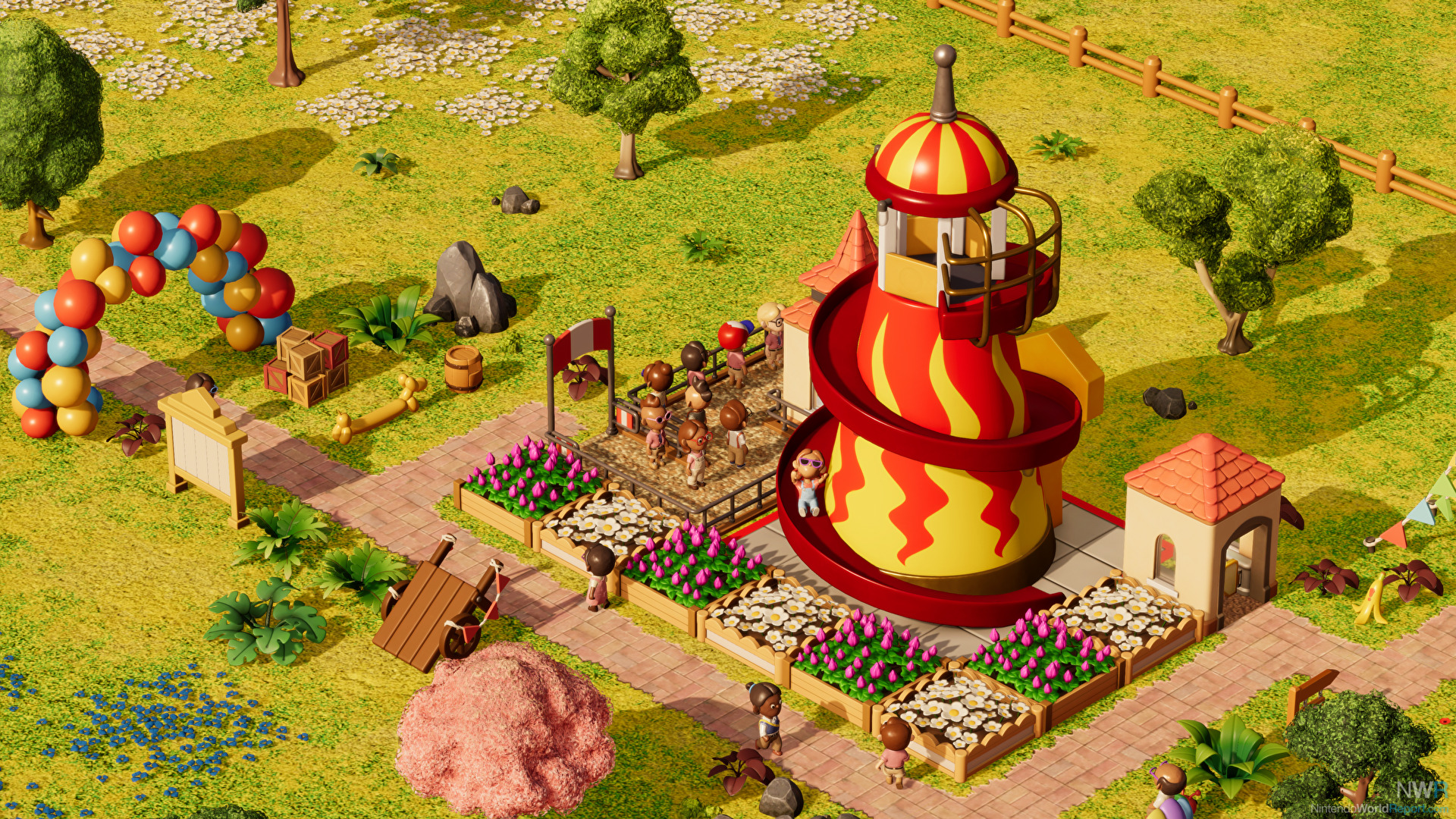
But the foundations for RCT Wonderworks do feel pretty solid. The visual style has finally found the right balance between the classic pixel art and the more dynamic 3D art for its rides and scenery. In particular it should help with terraforming and building truly absurd coasters. The worldwide angle the game takes allows for some really fun locations as well as an interconnected world. Your ambitions as a theme park tycoon are not merely limited to the boundaries of the park itself, which in turn encourages more creativity. While I’m cautious I am also very optimistic about the future of Rollercoaster Tycoon. As a series with so much potential for modern installments Wonderworks seems to put its right foot forward. With the proper guidance from players and developers willing to listen I can see this truly being the next generation of theme park management sims. Get me a fastpass for 2027 please!
Thief: The Dark Project Remastered.
Developed by Nightdive Studios. Release: Winter 2026 for Switch and Switch 2.
Among the pantheon of ‘must-play-classics’ I have yet to fully experience Thief: The Dark Project. Looking Glass Studios magnum opus, according to many, was groundbreaking in both the stealth and immersive sim genre. So who else to entrust with a full remaster than Nightdive Studios? Having played around with it for about half an hour I can say that I’m so excited to finally experience this game later this year on Switch 2. Because from what I’ve played I can tell that this game still holds up wonderfully nearly 30 years later.
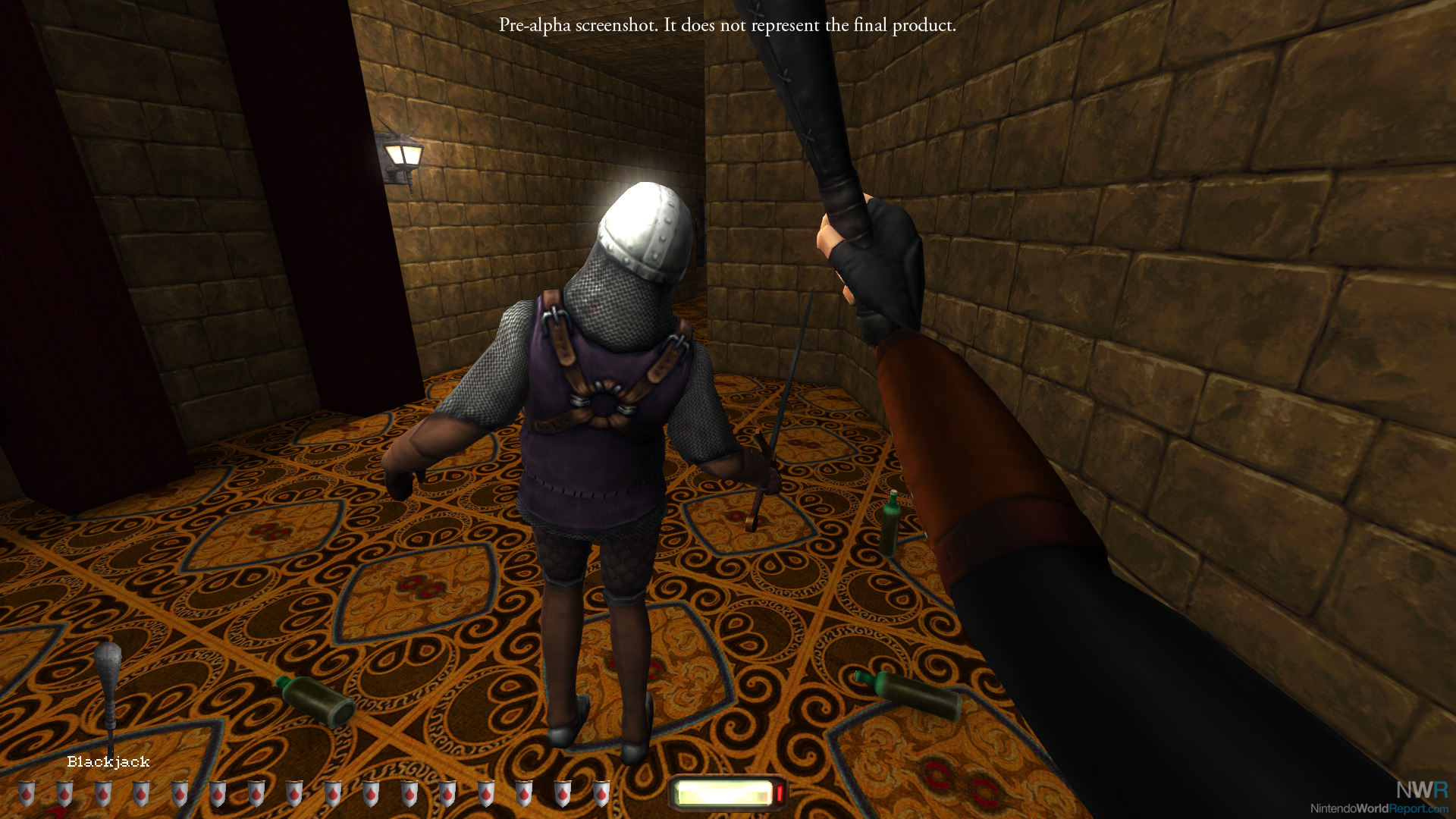
As master thief Garrett you are tasked with infiltrating and stealing valuable objects from noblemen for your own personal gain. While there is a lot of story going on, my time with the demo really focused on the gameplay. A first-person stealth game is still pretty unique to this day and Thief really builds on the idea of being an immersive experience. As you sneak through towns and buildings, stealing keys and taking out guards silently, you will need to account for the environment to not get spotted. Noisy floors, lights and line of sight need to be carefully avoided if you want to be a true thief. It feels like the world of Thief lives and breathes. Guards make their rounds in distinct patterns but are easily distracted or may hunt you down if they notice something out of place. While you have a pretty big toolset of arrows and tricks at your disposal it is always better to avoid a fight if you can.
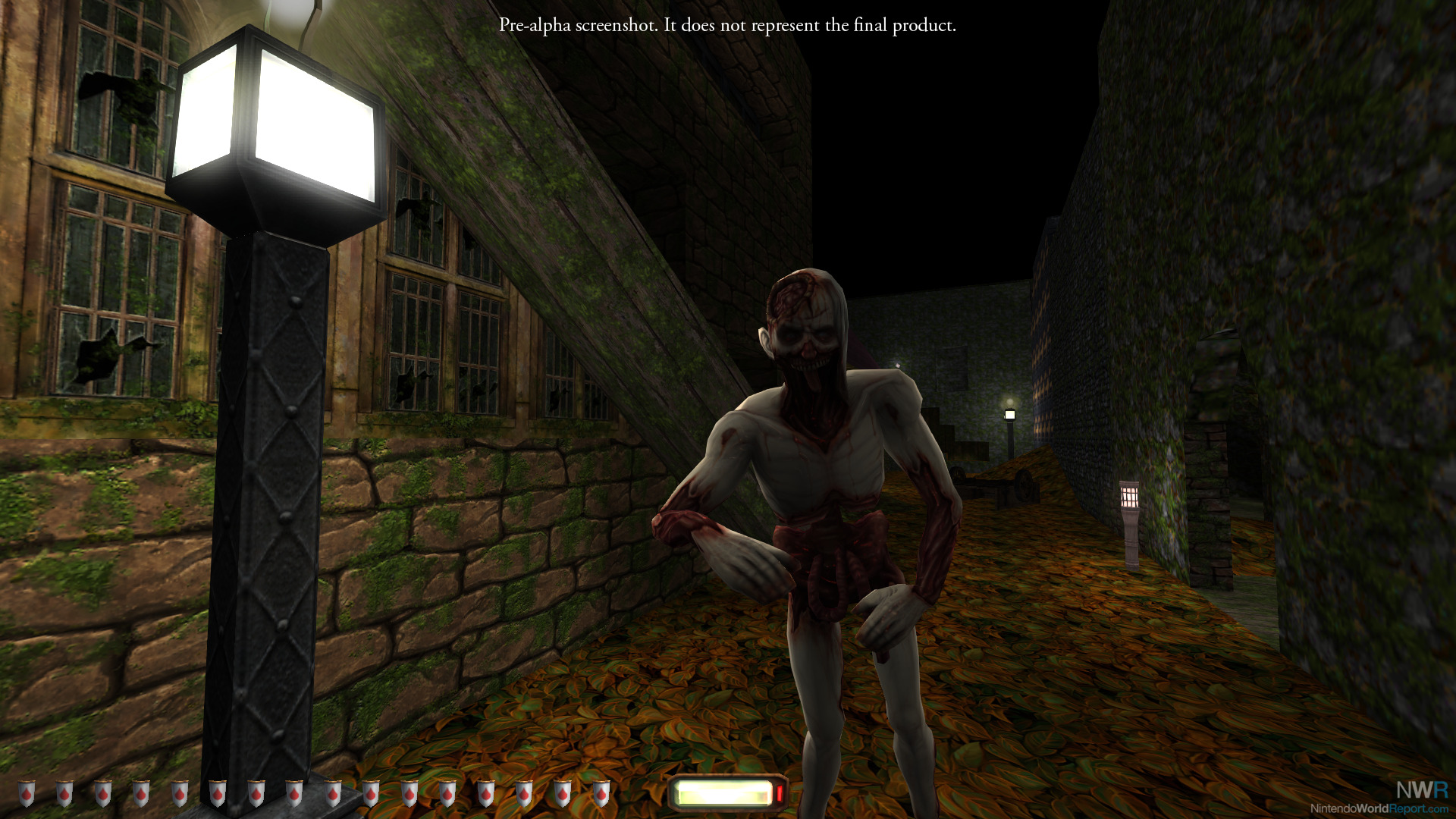
The Thief Remaster has been approached with great care by Nightdive. The basis for the title has been the Gold Edition of the game with all content being here. Elements that didn’t need any touching up have been left alone, like the stealth mechanics and the original scripts. Rather the focus has been on accessibility through a new controller-focused layout that works wonders. Using radial menus for quick interactions, triggers for combat and dedicated buttons for leaning and sneaking around, the game is in line with modern stealth games. Given how much the games industry has evolved over the decades I was astonished how quickly I managed to grasp the systems at play here. Especially as a newcomer.
Visually the textures and lighting have been reworked to feel like you remember them. Don’t expect environments to be fully reworked materials, but textures have an appropriate look. At any time you can swap between the classic and the modern visuals if you want, but I liked the look that Nightdive has gone with quite a bit. It helps to set expectations as well and lets the gameplay speak for itself. The care and attention to detail is really what sets Nightdive’s remasters apart and Thief truly is shaping up to be another notch in their belt. Small quality of life improvements like saving at any time and having fast restarts are welcome given the trickiness of getting past some of the guards.
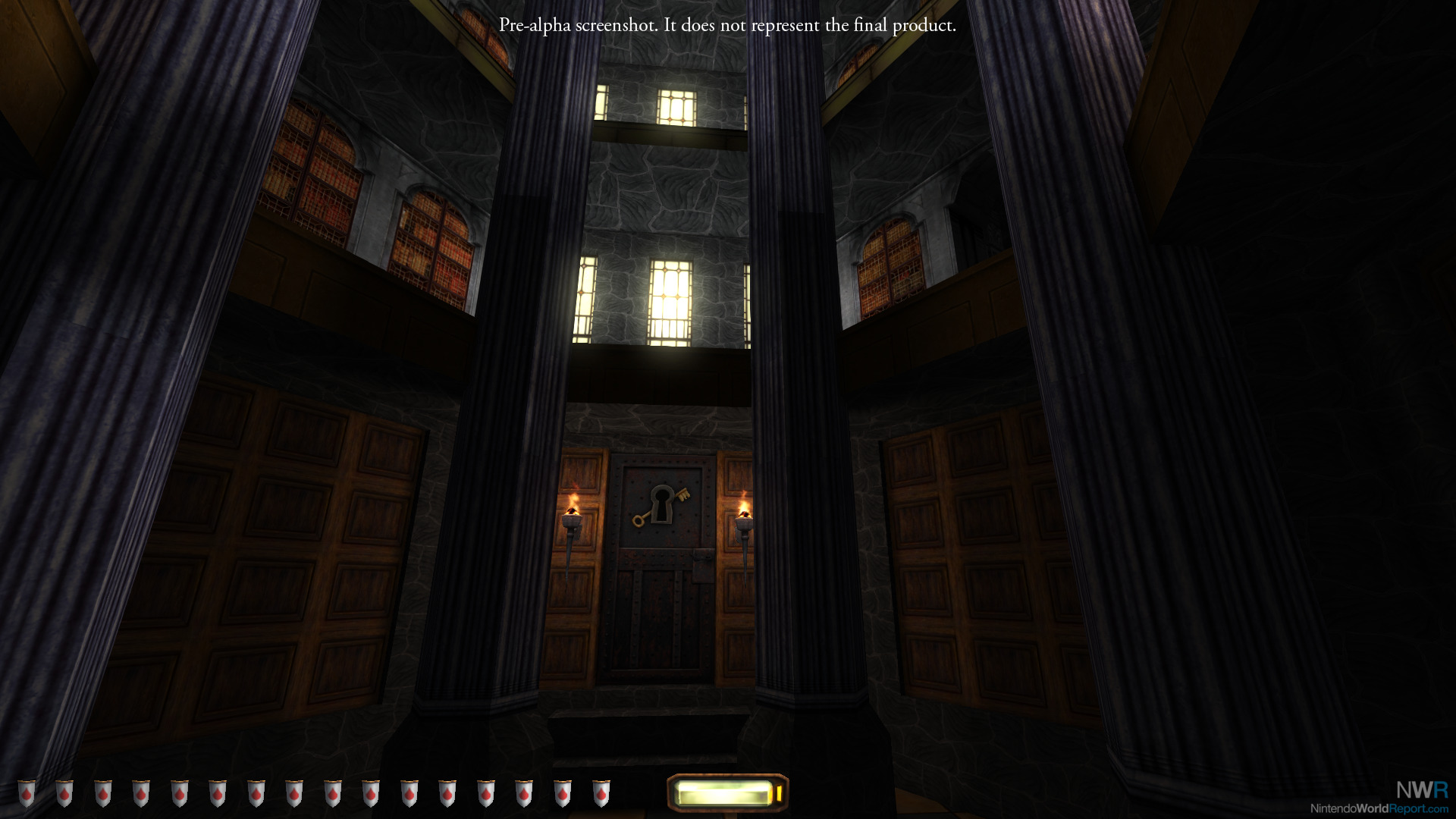
As someone who’s been eyeing Thief: The Dark Project for the longest time on their steam wishlist, I am so happy that I can now look forward to actually playing it in 2026. The controls feel great, the original intent of the design seems to have been kept in place and the gameplay still feels in line with modern stealth titles. I’m of course very curious to see how the game will run on Switch and Switch 2 but I have confidence in Nightdive. As a fledgling thief I can’t wait to break-in my copy this winter.
